
BOOK OF MORMON PLAGIARIZES FROM THE KJV
The Book of Mormon sounds Biblical because some 27,000 words are from the King James Bible. Hundreds of verses are copied verbatim. For example, II Nephi, chapters 12-24 are copied from Isaiah 2-14, III Nephi 24 & 25 are copied from Malachi 3 & 4, and I Nephi 20-21 are copied from Isaiah 48-49 except for a few additions in the Book of Mormon. In fact, these verbatim quotations, have caused the Mormons no end of embarrassment for many years.
NOTE
: Even the italicized words from the King James Version are copied! The words in the King James Version were NOT in the original text but were added by the translators to give clarity of thought. The King James Version was completed in 1611 A. D. and the Book of Mormon published in 1830. This proves that Nephi was written after 1611!Helaman 12:25-26, written in 6 B.C. says, "we read", and goes on to quote 2 Thessalonians 1:9 and John 5:29, ninety years too early! So, how could Helaman have quote the apostles Paul and John, and use the exact same wording as is found in the King James Version to do it? Obviously, someone living after the King James Version was translated wrote Helaman! The Book of Mormon also references "dragons" and "satyrs" in 2 Nephi 23:21-22, matching the KJV, whereas more modern bible translations do not include these mythological beasts.
In the third chapter of the book of Acts, Peter's classic sermon at Pentecost paraphrase Deuteronomy 18:15-19. While in the process of writing 3 Nephi, Joseph Smith puts Peter's paraphrase in the mouth of Christ when the Savior was allegedly preaching to the Nephites. The prophet overlooked the fact that at the time that Christ was allegedly preaching His sermon, the sermon itself had not yet been preached by Peter.
In addition to this, 3 Nephi makes Christ out to be a liar, when in 20:23 Christ attributes Peter's words to Moses as a direct quotation, when, as we have pointed out, Peter paraphrased the quotation from Moses (Acts 3:22-23); and the wording quite different. But Joseph did not check far enough, hence this glaring error.
There are many words and phrases which, when found in the Book of Mormon, exist only in a KJV context, suggesting that the words were not part of the author's daily vocabulary, but were used only in borrowing from the Authorized Version. For example, "fervent" and "elements" each appear twice, both times together in the same phrase, and in the same context as 2 Peter 3:10 (III Nephi 26:3, Mormon 9:2). Also, "talent" is used only once, in the same context as Matthew 25:28 (Ether 12:35).
BOOK OF MORMON EVEN QUOTES TRANSLATION ERRORS FOUND IN THE KJV:
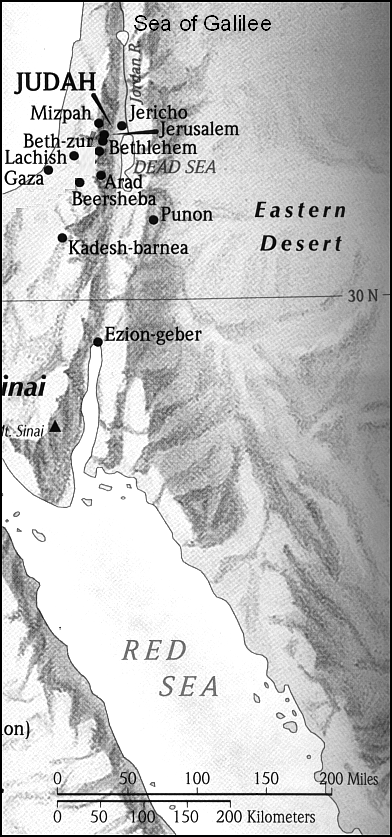
II Nephi 21:3, is a quotation from Isaiah 11:3. The phrase `And shall make him of quick understanding in the fear of the Lord. . .' should read `. . .and he will delight in the fear of the LORD. .' as in the New International Version. Here, the Hebrew word `rawah', in this context, is correctly translated `delight in' as opposed to `quick'.A more serious translation error affects Isaiah 9:1, copied into the Book of Mormon as II Nephi 19:1 `. . .and afterwards did more grievously afflict by the way of the Red Sea beyond Jordan in Galilee of the nations.' A translation error in this verse of Isaiah has given the text almost the opposite meaning to the original. The phrase `did more grievously afflict' should be rendered as `honour' in English. The Book of Mormon adds the qualifier `Red' to the King James Version. A glance at a map of Palestine will show why this rendering is impossible. The Red Sea is located on the Southern border of Palestine, over 250 miles from the Sea of Galilee.
SEE ALSO: The Book of Mormon Quotes From The Preface to the 1611 King James Bible:

Please sign our Guest book!
This page has helped
People find the truth since November 1999