
THE KJV WAS CREATED FOR AND AUTHORIZED BY A DENOMINATION, FOR IT’S OWN USE.
EZCODE CENTER STARTIt is historic fact that the King James Version was a product of the Church of England [the Anglican Church], which created it for it's own use.

This is small listing of some of the evidence which illustrates this fact. for convenience purposes we have broken the list up in to three categories.
James I the King of England was the Head of the Church of England [commonly known as today as the Anglican Church], a split off of the Church of Rome. Next in the chain of command was the Archbishop of Canterbury. Diocesan bishops were under the Archbishop. It was King James I who in 1604 approved the idea of a "New" English translation, that would eventually bear his name.
Those who were commissioned by King James I to work on this "new Bible version were men deemed to have special skills and learning in Hebrew and Greek. Also, they were from the established (state) church, although some had Puritan leanings. So we can see their Bible was meant to be a Church of England or Anglican version. All of them had to have the approval of the king and the Church of England hierarchy.
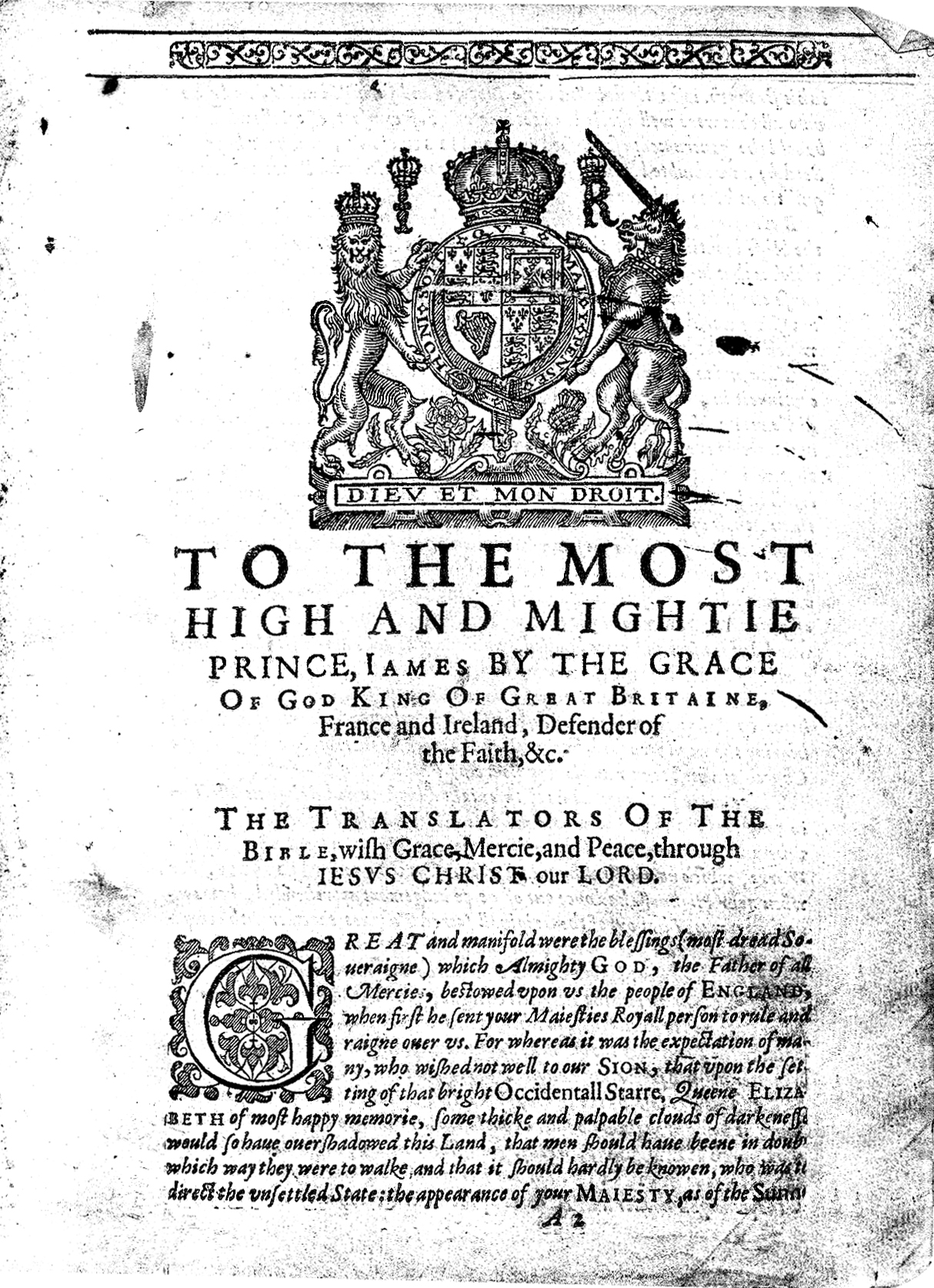
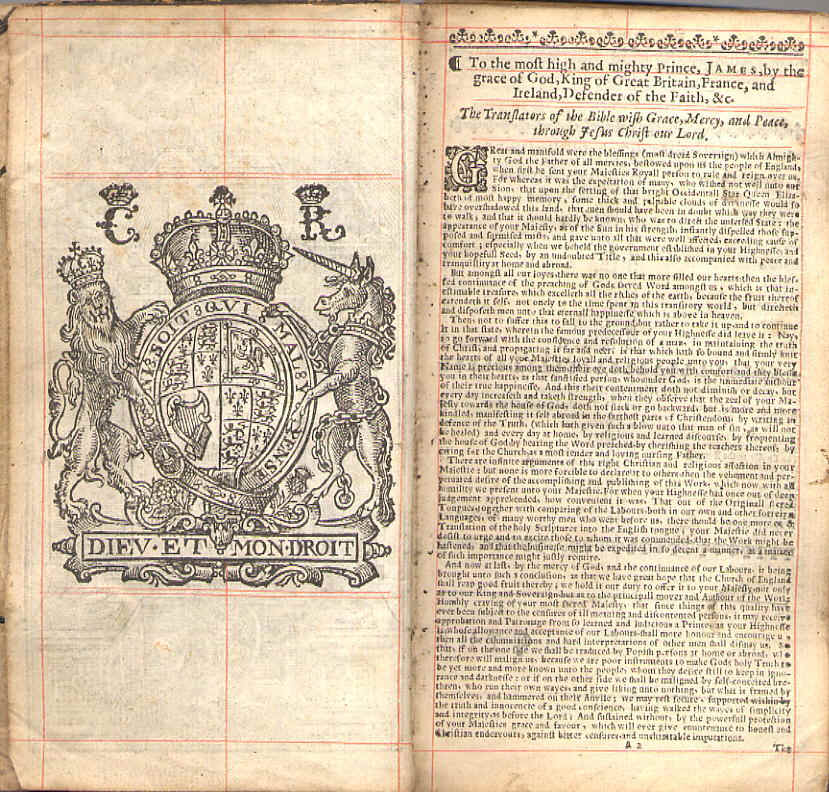
In the "Epistle Dedicatory" ["letter of dedication", which was printed in the front of the 1611 KJV, and is still printed in some editions of the KJV] the translators called King James I [who was the head of the Anglican Church ]"The principal mover and Author of the work".
The 1791 edition of the KJV on its title page said that this translation was "Done by the Special Command of his Majefty King James I, of England", and most editions printed today still bear his name gilded in gold on there leather spines and covers.
King James I had Anglican Archbishop Richard Bancroft oversee the translating of the KJV, which was published in 1611. In their preface to the King James Version, the Translators referred to Bancroft as the "chief overseer and task-master under his Majesty, to whom were not only we, but also our whole Church, much bound." Thus, Archbishop Bancroft was known for his determination to make everyone conform to the views of the State Church, the Church of England. He harassed and persecuted the Puritans and other Non-conformists, including Baptists.
It was Archbishop Bancroft that approved or made the rules for the translation of the KJV. By his establishment of the rules and overseeing of the actual translation, Bancroft had great influence on the KJV. Bancoft's chaplain, Leonard Hutten, was one of the translators. Several other Anglican bishops such as Belson, Andrewes and Abbott [Abbott became Archbishop after Bancroft died] who were in agreement with many of Bancroft's views and were directly under his chain of command were also translators. The makers of the version in their day felt that the work called for some explanation and defense, and entrusted the writing of a suitable preface to Myles Smith, of Brasenose College, Oxford, afterward Bishop of Gloucester. His Preface for many years stood at the beginning of the version.
In spite of his great influence and authority over the translation, the finished work of the KJV translators did not satisfy Bancroft. This proud Archbishop had to make some changes in the translation before it was even published. Paine noted that Miles Smith, final Editor of the KJV with Thomas Bilson, "protested that after he and Bilson had finished, Bishop Bancroft made fourteen more changes" (MEN BEHIND THE KJV, p. 128).
The very first rule set forth for the translators to follow was that the Anglican translation known as the "Bishops Bible" [because it was put together by the bishops of England] was to be the bases of the translation.
"The ordinary Bible read in the Church, commonly called the Bishops Bible, to be followed, and as little altered as the Truth of the original will permit."
In Rule number twelve we again see the control of the Anglican church over this translation. Rule twelve asked all the Anglican Bishops [for the Puritans had no Bishops] to get input from such clergy as were "skillful in the Tongues" and forward their observations to the committees.
"Letters to be sent from every Bishop to the rest of his Clergy, admonishing them of this Translation in hand; and to move and charge as many skillful in the Tongues; and having taken pains in that kind, to send his particular Observations to the Company, either at Westminster, Cambridge, or Oxford."
|
|
| This scans is from the
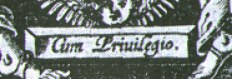
bottom of the opening page of the New Testament in the 1611 King James
Version. This scan is from the Oxford University Press (1911) reprint of
the 1611 KJV.
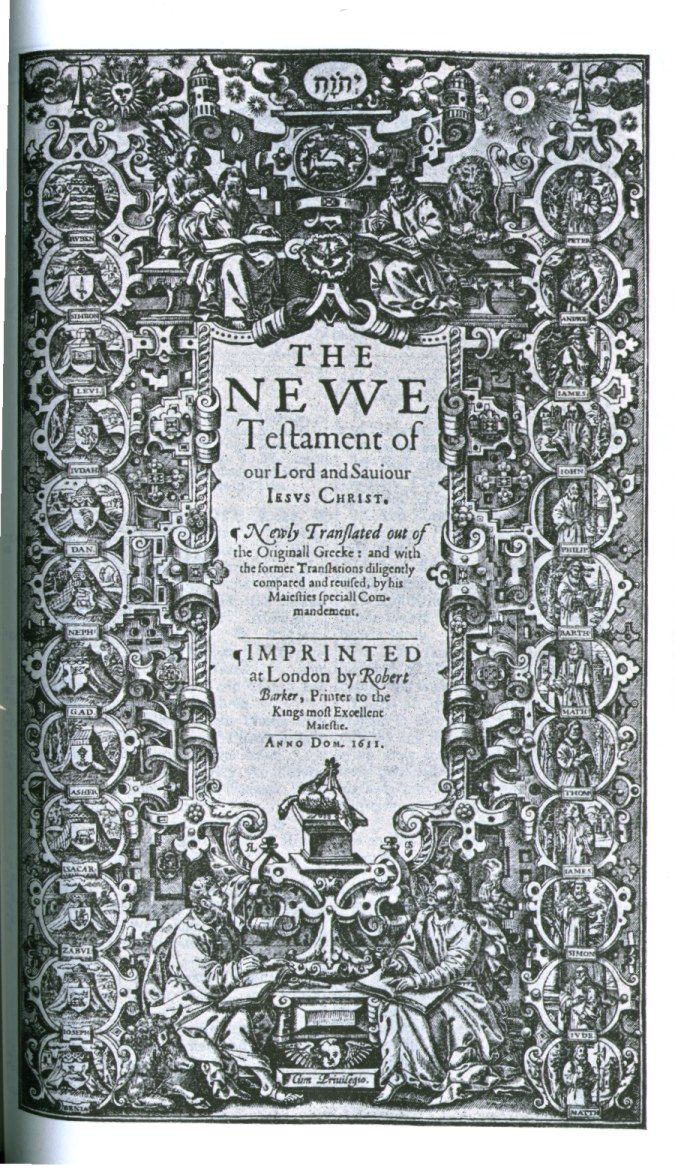
Click here to see a scan of the full opening page of the New Testament from the Reprint of the 1611 KJV. |
The printer who was given the job to print this new Anglican translation was Robert Baker, the King’s Printer [until 1631 Baker had EXCLUSIVE PRINTING RIGHTS to this Bible]. Baker's printer shop was in the Churchyard of the St Paul’s [a Anglican Church].
For the next hundred years the rights of printing King James Version were jealously kept by the royal crown and its printers. The copyright in the Bible is rested by some on the Kings position as head of the church.
At the bottom of the 1611's title page for the New Testament the phrase, "Cum Privilegio". These Latin words literally mean "with privilege" or "right", that is, with the right of reproduction retained, or, in a word, "copyrighted."
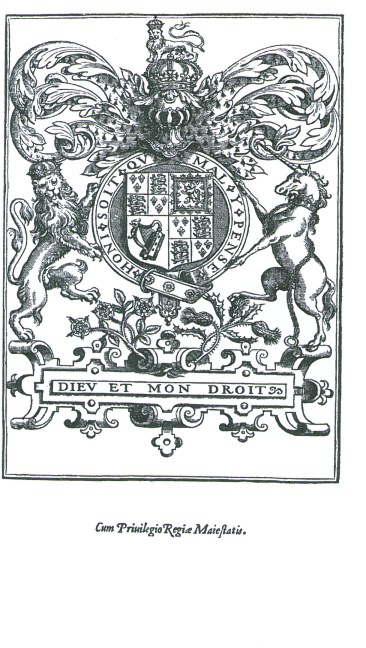
Also among the opening Pages of the original 1611 King James Version was one that boar the the The "Royal" coat of arms of King James I, below which is stated "Cum Privilegio Regiae Maieftatis". These Latin words literally mean "with privilege from his royal Majesty " Showing that the writes to print this version of the Bible came from the King of England himself, in other words it was a Royal Copyright enforced by the King.
The "Royal" coat of arms page in the 1611 KJV, printed opposite of the "Epistle Dedicatory". This scan is from a reprint of the 1611 KJV.
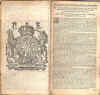
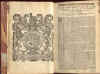
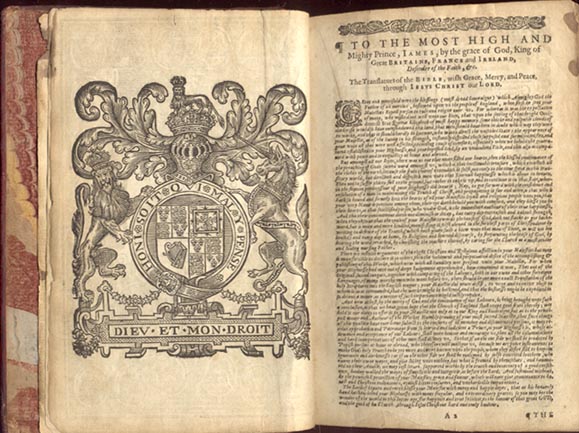
The First page of the "Epistle Dedicatory" in the 1625 Printing of the KJV had the seal of King James [the head of the Anglican Church] printed on it The Above Scan is from the 1646 Edition of the KJV Printed by the Company of Stationers, in London . The "Royal" coat of arms on one of the front pages,. The "Royal" coat of arms page in the 1634 KJV, printed opposite of the "Epistle Dedicatory". This scan is from a edition of the KJV printed in London by Robert Barker and the affigns of John Bill in the year of our Lord 1634.
The First Edition of the King James Bible wasn't meant for the masses. It was created, produced and published for distribution to the Anglican churches throughout England. These First Editions were known as "Pulpit Bibles." Their size was 10_1/2 x 15 inches (nearly twice the size of our current Bibles)
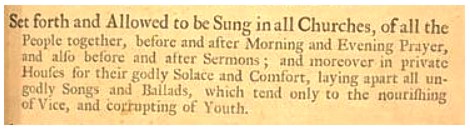
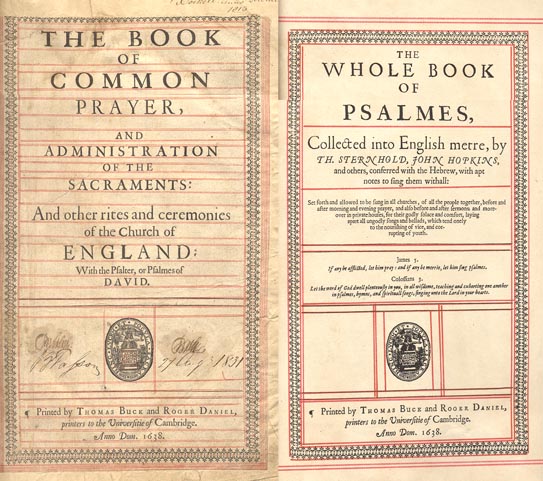
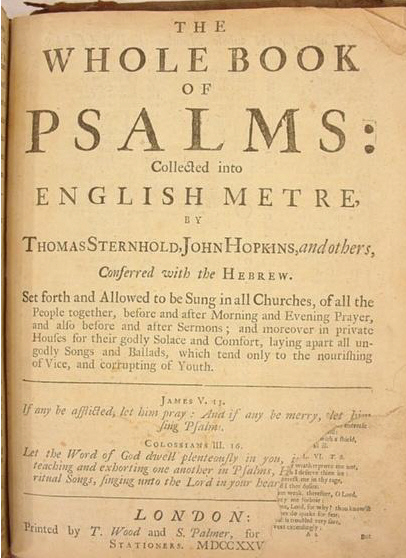
The 1611 [like most early printings of the] KJV, had printed among its pages the Book of Common Prayer, which is the official book of public liturgical worship for the Church of England. The Book of Common Prayer contained Rites of administration of the Sacraments according to the Anglican church, And other Rites and Ceremonies of the Church of England. This was printed together with the Anglican Psalter or Psalms of David (by Sternhold and Hopkins), Pointed as they are to be Sung or Said in Churches.
Click to Here see a complete Scan of this page from a later edition of the KJV.
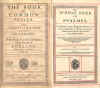
The Title pages to the Book of Common Prayer and the Sternhold and Hopkins Psalter from the 1938 printing of the KJV. The Puritans Strongly disliked this Psalter because they felt that the Sternhold and Hopkins Psalter (found in the 1611 KJV) contained to many alteration from the connotation and wording of the Psalms. The Puritans preferred the Henry Ainsworth’s The book of psalms: Englished in both prose and metre, (Amsterdam 1612)
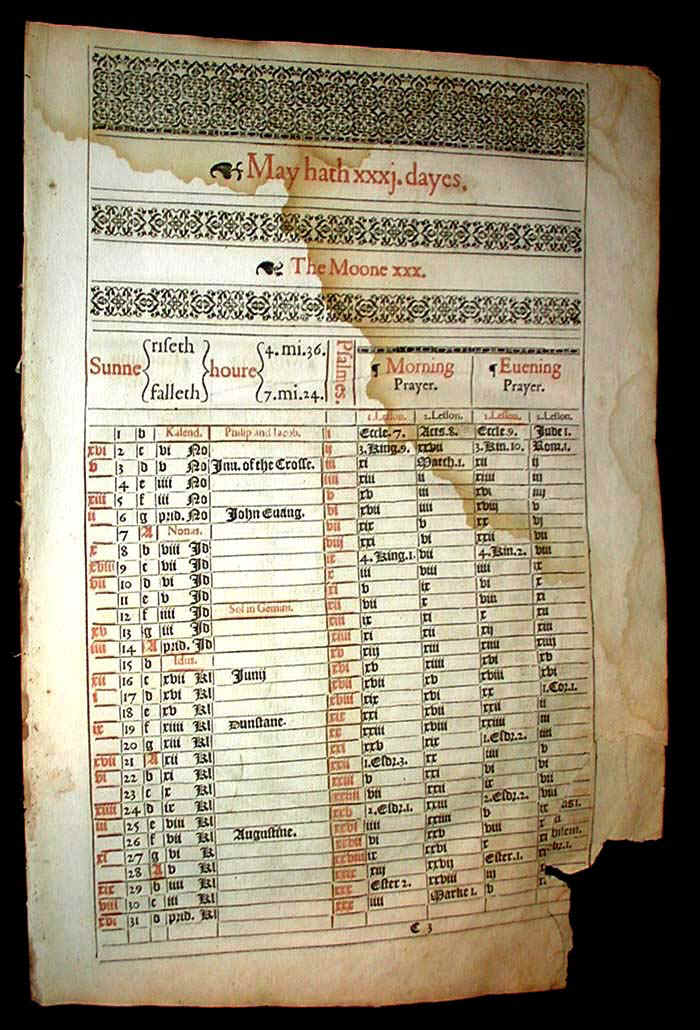
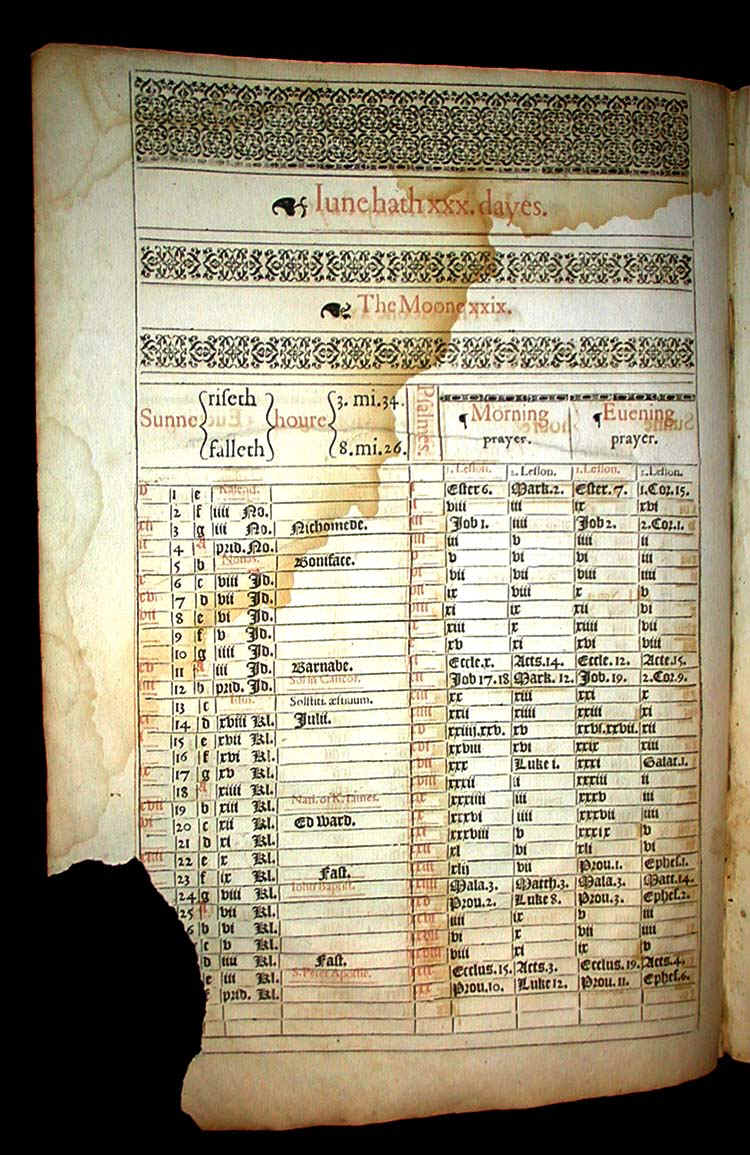
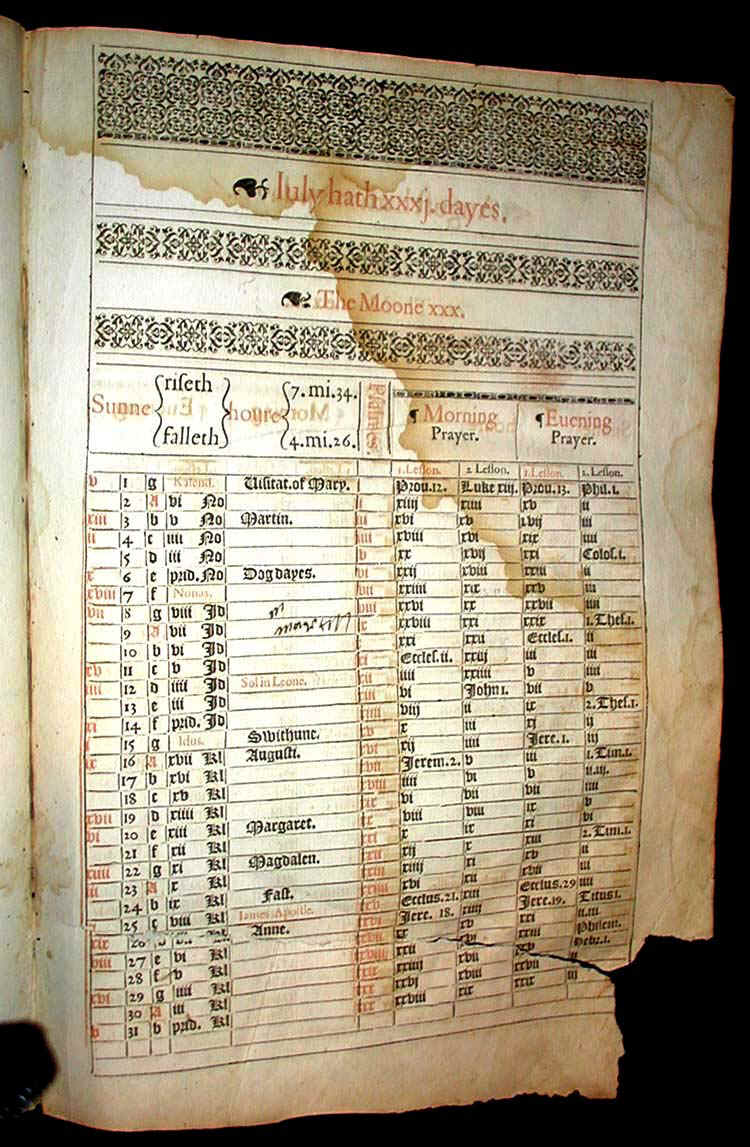
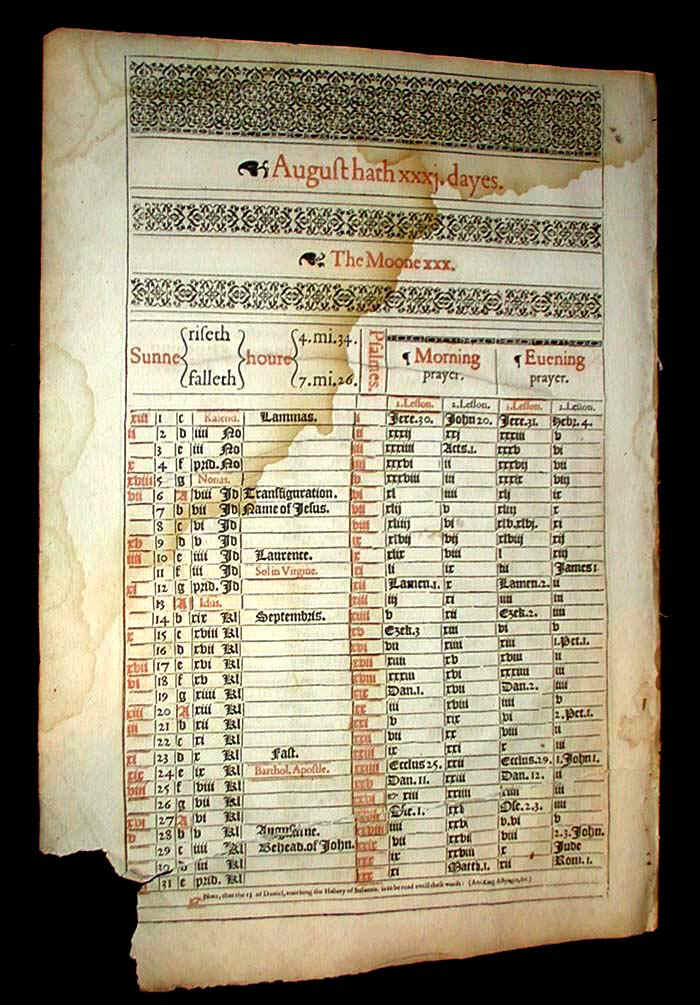
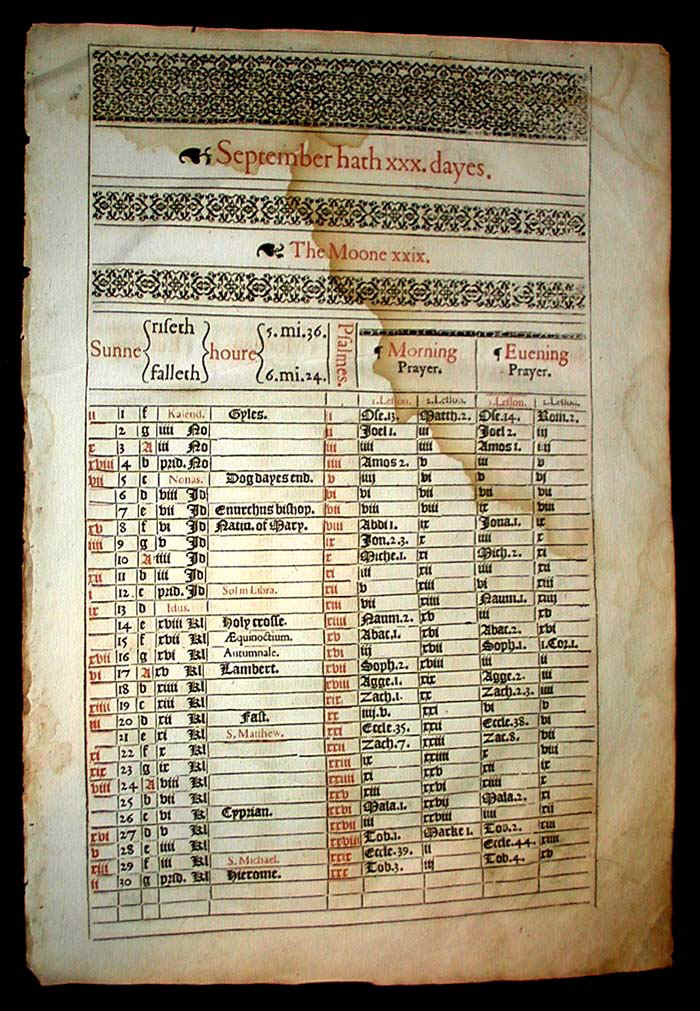
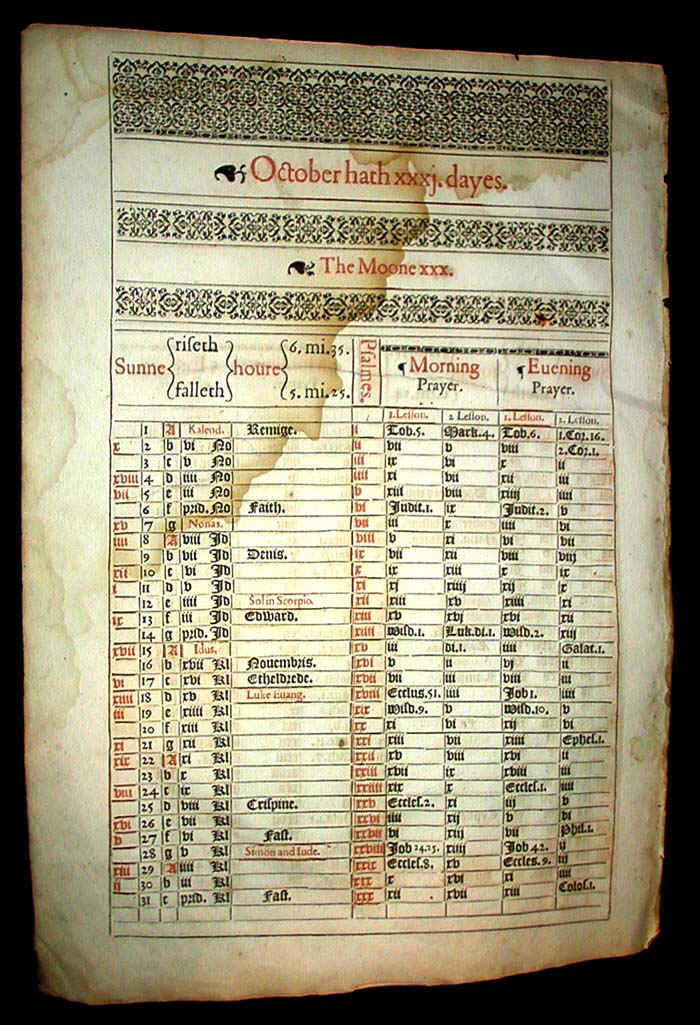
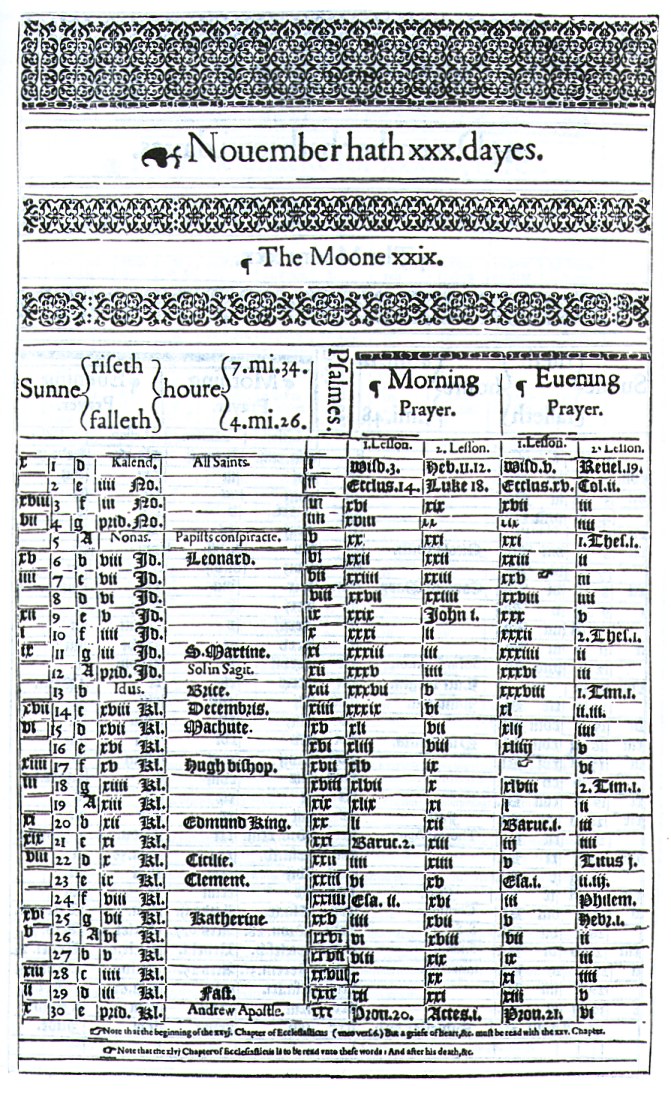
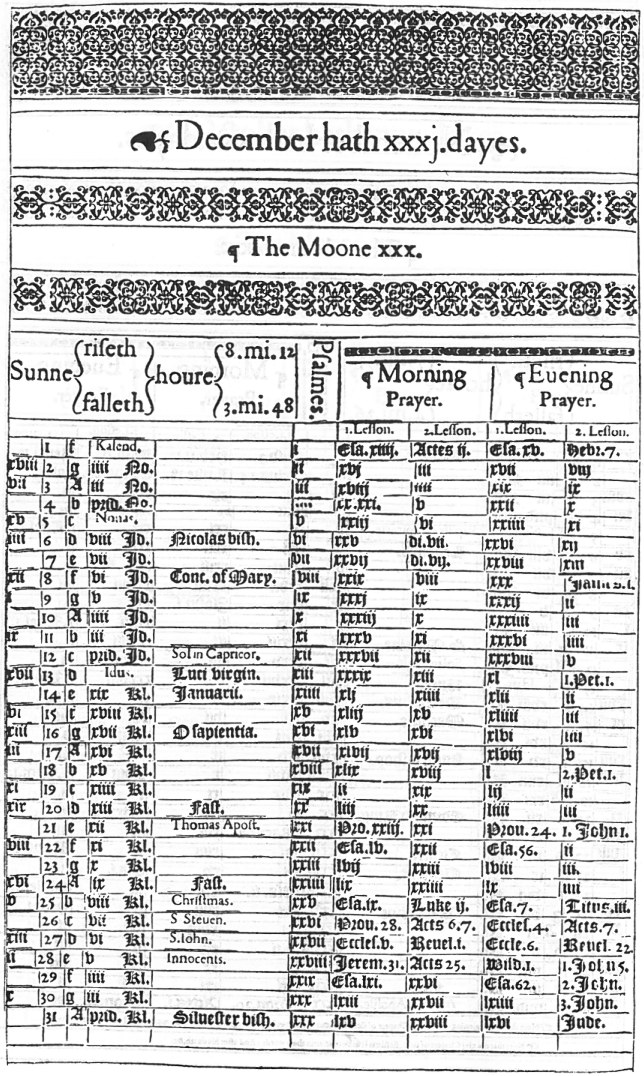
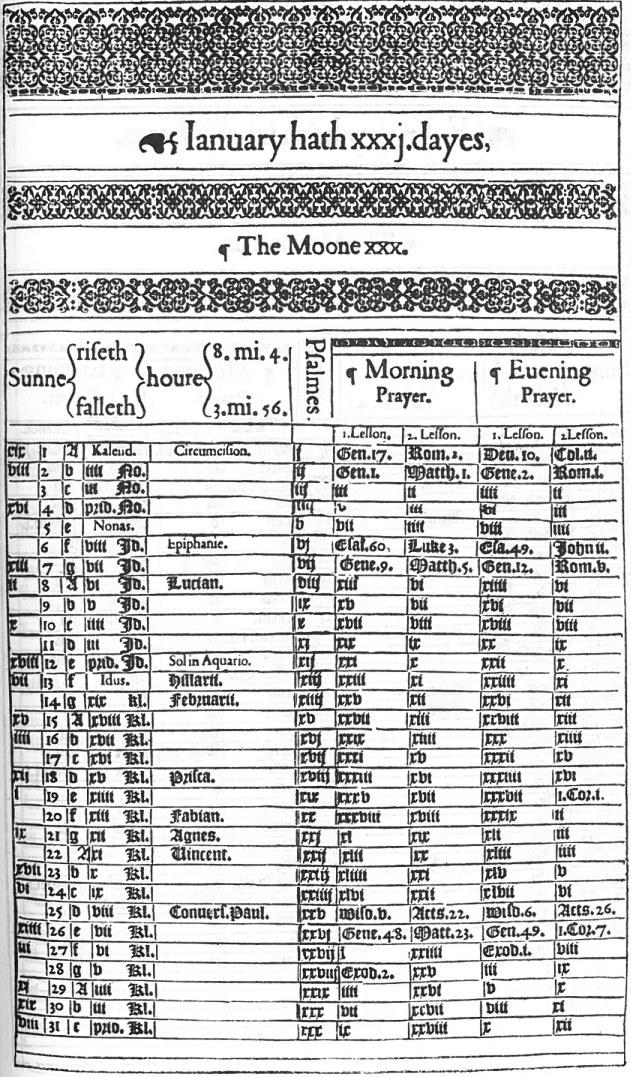
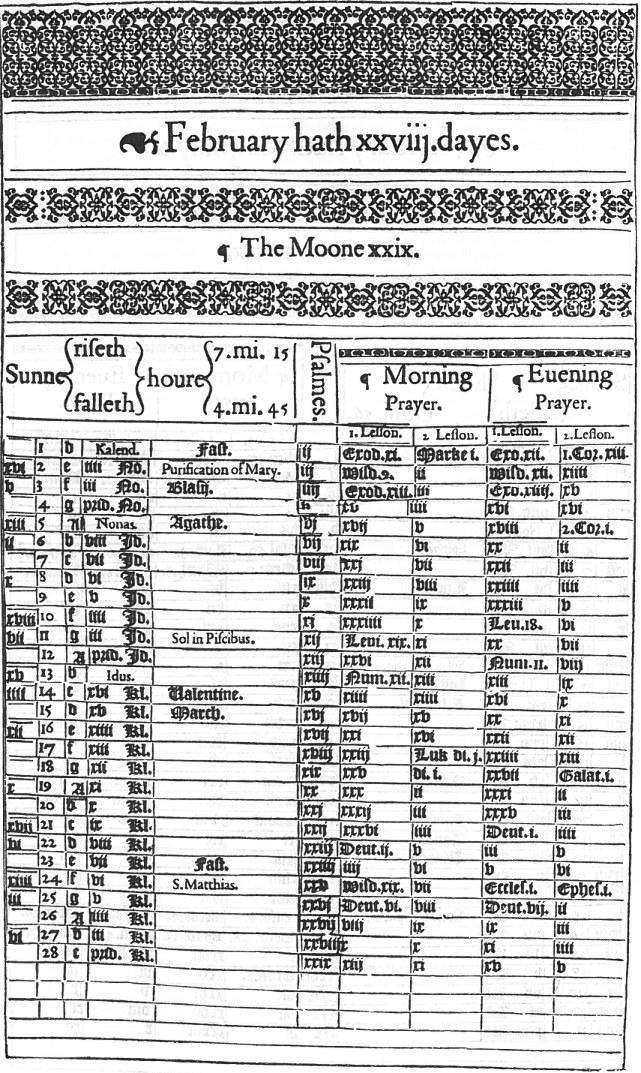
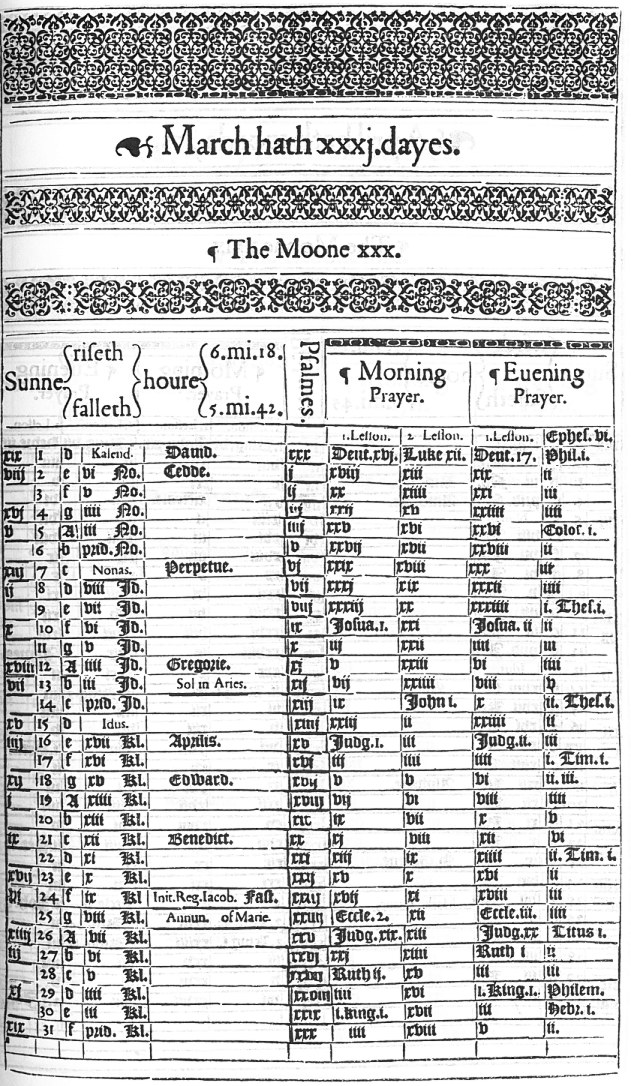
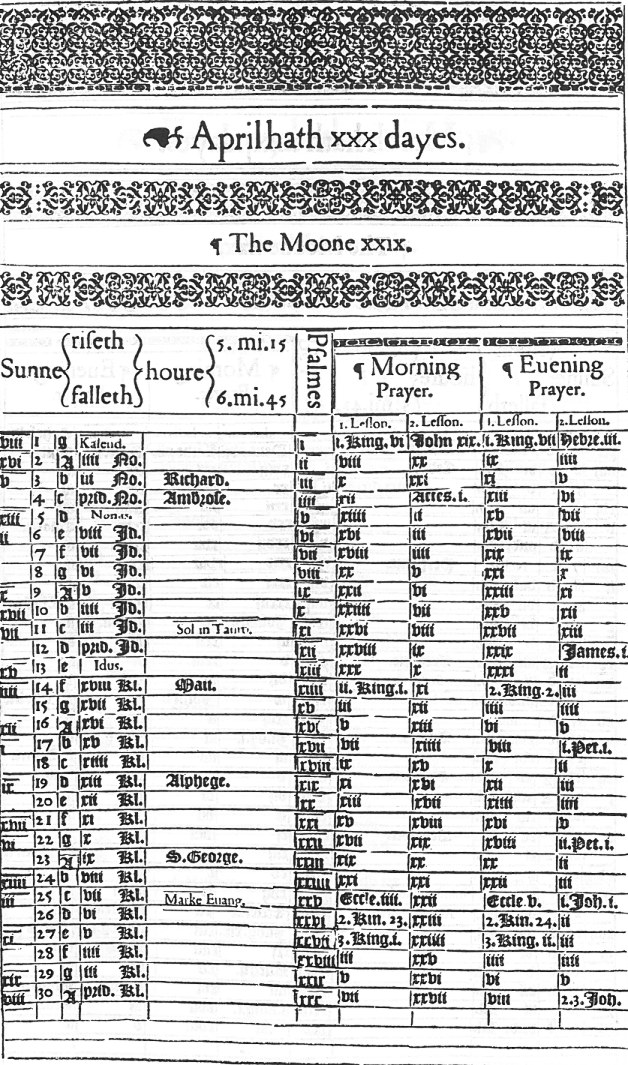
The original 1611 KJV also had a calendar for each month of the year. These calendars contained contained such things as the Church of England's schedule of Scripture readings to be read during morning and evening prayer.
Bellow are scans of the 1613 KJV calendars for the months of :
| May | June | July | August | September | October |
 |
 |
 |
 |
 |
 |
|
|||||
On the Title page of the original 1611 King James Bible we can read:
"The Holy Bible, Contayning the Old Testament and the New: Newly Translated out of the Original tongues; & with the former Translations diligently compared and revised by HIS MAJESTIES SPECIAL COMMANDMENT. APPOINTED TO BE READ IN CHURCHES." (Emphasis Mine)
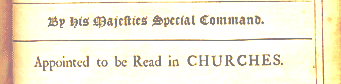
In fact the King James Version was the third Bible to be Authorized by the Church of English. The first was the Great Bible of 1539, which was intended for church use. The second was the Bishops' Bible of 1568, and the third was the King James of 1611. "Authorized" meant, of course, officially recognized for us in public worship, as the phrase "Appointed to be read in Churches" shows.
In the "Epistle Dedicatory" ["letter of dedication" ] the translators state that it is there hope that the "Church of England [IE. The Anglican church], reap good fruit" from this Bible.
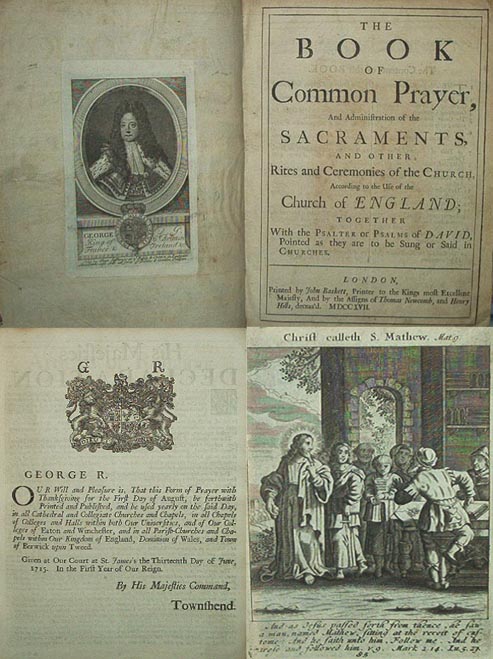
Although the 1611 printing did not have it, many early printing of the King James Version contained images of the then reigning King and head of the Church of England. A good example of this is the Printed in London by Thomas Baskett, printer to the Kings "moft excellent majefty" and by the assigns of Thomas Newcomb and Henry Hills, 1716. Book of Common Prayer at the front of the Bible with title and a frontispiece of King George I, the reigning King at the time of this printing printing of the KJV. Printed in London by Thomas Baskett, printer to the Kings moft excellent majefty and by the affigns of Thomas Newcomb and Henry Hills. Book of Common Prayer at the front of the Bible with title and a frontispiece of King George I, the reigning King at the time of this printing. 
1716 KJV

Please sign our Guest book!
This page has helped
People find the truth since November 1999